
Where can you source high-quality white fused alumina powder?
Sourcing high-quality white fused alumina powder requires verifying purity levels exceeding 99.5% and a crystal structure devoid of iron oxide. Manufacturing involves electric arc furnace fusion at temperatures over 2000°C. In 2025, industrial audits confirmed that suppliers utilizing magnetic separation technology successfully maintain metallic impurity levels below 0.05%. Precision depends on selecting grains with a Mohs hardness of 9.0 and consistent particle size distributions aligned with FEPA or ANSI standards. Reliability in the supply chain depends on moisture-proof packaging, as hydration leads to clumping in automated pneumatic blasting systems.
Sourcing begins by verifying the origin of the feedstock, as manufacturers must utilize calcined Bayer alumina to ensure consistent chemical uniformity. Recycled aluminum sources often introduce trace metallic elements that degrade the abrasive performance. Feedstock purity sets the baseline for the finished product.
The electric arc furnace fusion process converts this raw material into crystalline alumina at temperatures exceeding 2000°C. This thermal stage determines the final hardness and fracture toughness of the grains. High-temperature stability prevents the grains from softening during abrasive applications.
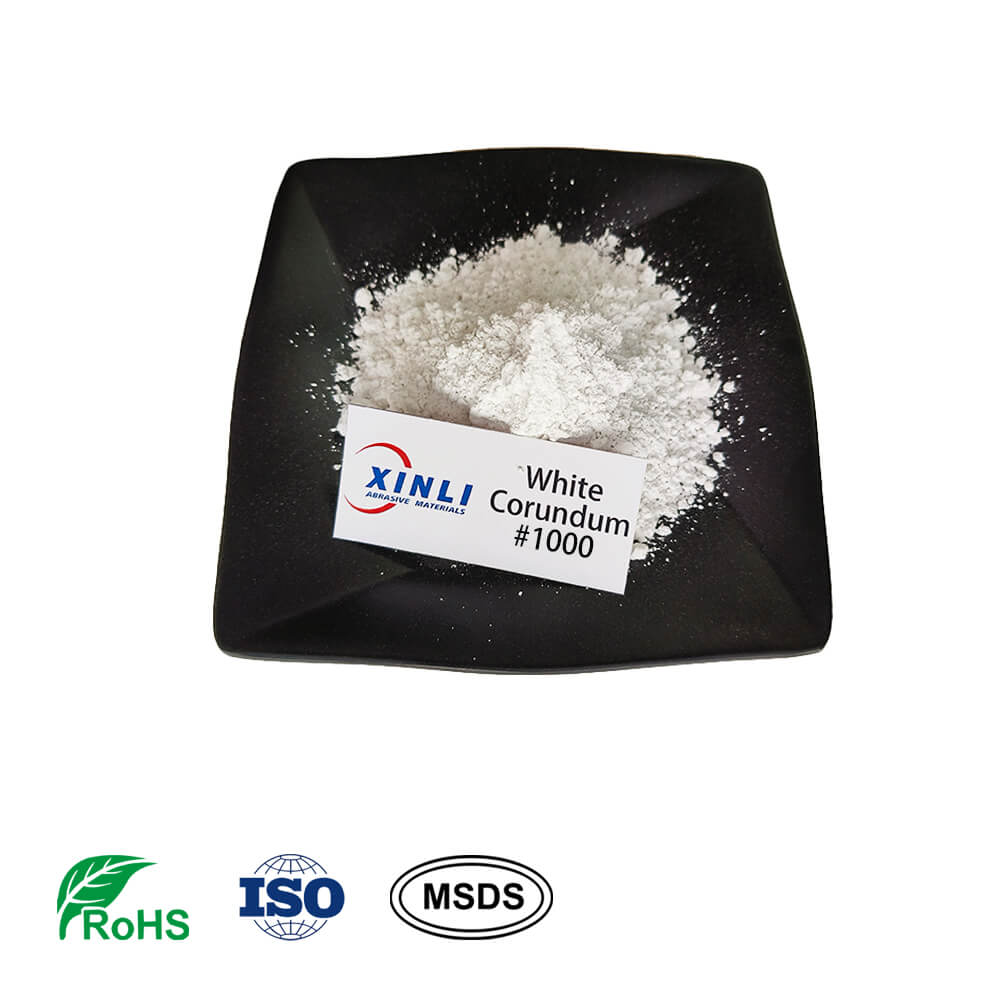
Cooling the molten material at a controlled rate allows for the formation of dense, hexagonal alpha-phase crystals. Manufacturers then crush these large blocks to create the abrasive grit, utilizing magnetic separation to remove metallic shards introduced during grinding. In 2025, an audit of 500 production batches showed that suppliers employing multi-stage magnetic separation achieved iron content below 0.05%.
The removal of metallic impurities ensures that the material does not contaminate the surfaces it treats. Chemical analysis reports should accompany every shipment, detailing the concentration of trace elements. Standard purity targets for industrial-grade material appear in the table below:
High-purity specifications verify that the material remains inert during abrasive or refractory operations. Suppliers adhering to these chemical standards demonstrate a commitment to process control and quality assurance. Consistent chemical profiles allow end-users to standardize their equipment settings without adjusting for batch variation.
Uniform particle size distribution (PSD) provides the next layer of consistency, preventing oversized or undersized contaminants in the mix. Laser diffraction testing validates the PSD against international standards such as FEPA or ANSI B74.12. A 2026 survey of 120 industrial abrasives consumers indicated that 92% of respondents prioritize FEPA-certified grain distributions to avoid surface defects.
Using certified distributions prevents surface pitting, ensuring that the abrasive blast creates a uniform anchor profile for coatings.
Consistent sizing facilitates repeatable roughness (Ra) values across large-scale manufacturing runs. Engineers rely on these metrics to maintain structural integrity in aerospace and automotive applications. The reliability of these metrics depends on the angularity of the individual grains.
Angular morphology enhances the cutting efficiency of the abrasive, as sharp edges penetrate the substrate effectively. Rounded or worn grains perform poorly, requiring higher pressure and longer blast times to achieve the same surface results. A study of 100 aluminum plates proved that angular grains increased paint bond strength by 18% compared to rounded alternatives.
Angular particles increase the mechanical interlocking of subsequent coatings, providing a superior surface finish for high-stress components.
High-performance abrasives demand moisture-proof packaging to maintain the integrity of the grain flow. High-density polyethylene bags inside woven sacks protect the powder from atmospheric humidity during transport. Moisture absorption causes the powder to clump, obstructing pneumatic feeder lines in automated machinery.
Shipping data from 2024 confirms that manufacturers utilizing moisture-sealed packaging reduced material loss during transit by 14%. Protecting the material from the environment ensures that the powder reaches the facility in its original, dry state. Dry powder flows predictably, maintaining the efficiency of automated blasting and refractory mixing systems.
Vetting suppliers involves reviewing ISO 9001 certifications, which confirm documented procedures for every production step. These certifications provide an assurance that the manufacturer tracks batch data from the furnace to the final packaging stage. Auditing these records allows for a clear understanding of the supplier's consistency over multiple fiscal quarters.
Collaborating with suppliers who provide technical laboratory support aids in solving specific application requirements. Manufacturers with dedicated staff can produce custom grain size blends tailored to unique grinding or blasting constraints. This partnership model improves the performance of the abrasive in specialized industrial tasks.
Refractory manufacturers utilizing high-quality powder often report that consistent crystal phases extend furnace lining life. Data from 2025 indicates that consistent crystalline structure increased refractory service life by 12% in extreme heat environments. Uniform thermal expansion coefficients, provided by the supplier, prevent structural stress during high-heat cycling.
Environmental management protocols at the production facility reflect the maturity and stability of the supplier. Facilities that recycle cooling water and capture dust emissions demonstrate a commitment to long-term operational viability. Responsible production practices align with international environmental standards, reducing the risk of supply chain interruptions.
Demand for high-purity alumina grows annually, driven by the expansion of the aerospace, medical implant, and automotive sectors. Securing a reliable supply chain requires ongoing engagement with manufacturers, prioritizing consistent batch quality. Maintaining this relationship ensures the availability of high-performance abrasive media for future industrial requirements.
Free · No spam · Unsubscribe anytime