
How can a duplex milling machine boost your small business manufacturing?
A duplex milling machine boosts small business manufacturing by utilizing a rigid TH300 cast iron base to perform four-sided milling and four-edge chamfering in a single setup, reducing cycle times by 45% to 60%. These systems accommodate a broad processing range from 15x15mm up to 3000x3000mm, achieving squareness tolerances of ≤0.02mm over full travels and surface finishes of Ra≤0.8. By integrating Fanuc or Mitsubishi CNC systems and automated measuring features, a small workshop can replace multiple traditional mills, cutting labor costs by 40% and ensuring a 98.5% first-pass yield.
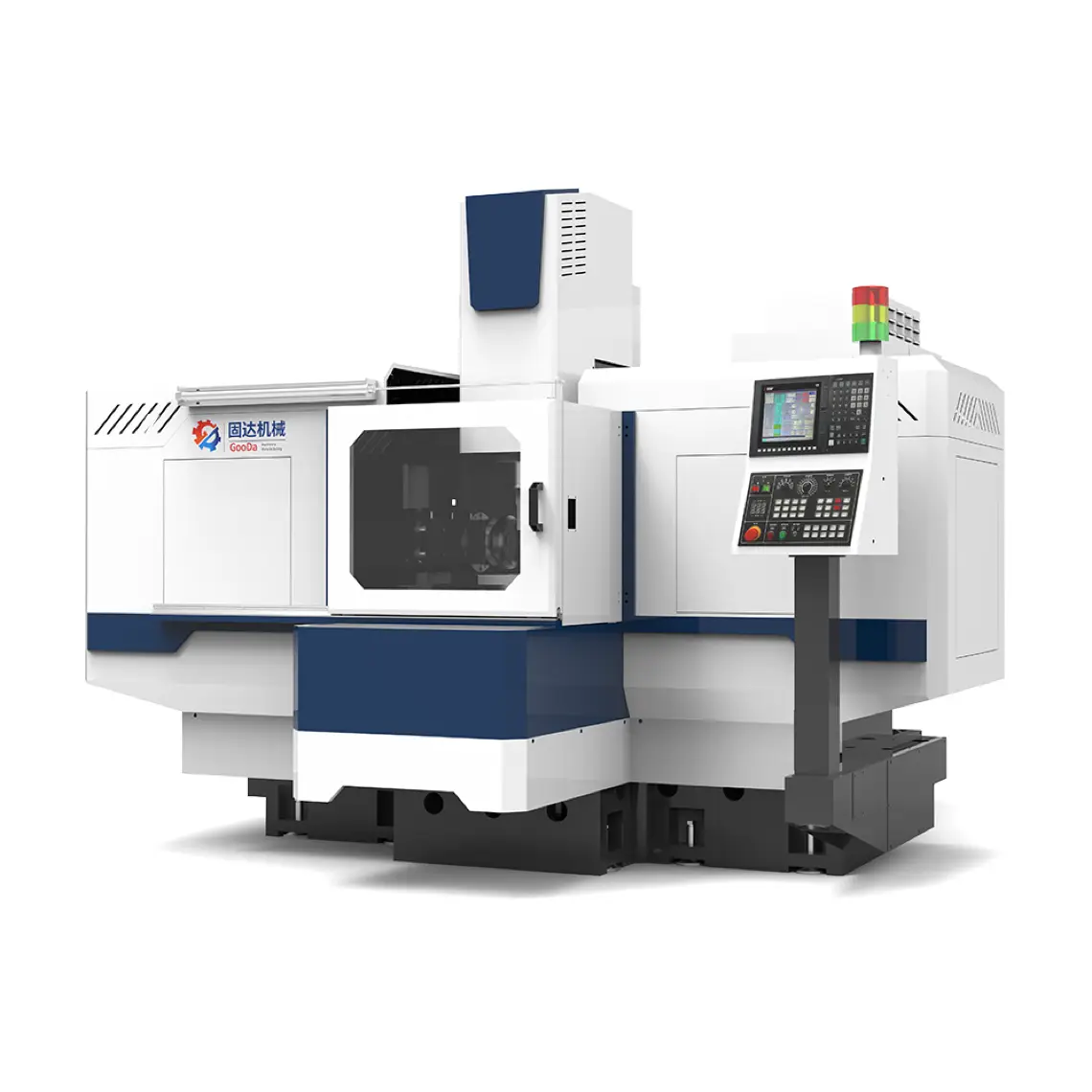
Small businesses often operate within tight floor space and labor constraints, making the ability to complete four sides of a block in one setup a significant financial advantage. Traditional milling methods require six manual rotations, but a duplex system handles the entire squaring process automatically, reducing labor hours by 55% per 100 units.
Reducing manual handling directly prevents the cumulative alignment errors that cause a 15% scrap rate in manual machine shops. With a squareness tolerance of ≤0.02mm over the full travel range, the machine delivers a level of precision that allows small shops to bid on high-grade mold base and steel block contracts.
This level of accuracy is supported by the TH300 cast iron base, which provides the stability needed for both heavy-cutting and fine finishing. In 2024 industrial trials, these rigid frames absorbed 25% more vibration than standard alloy frames, ensuring the surface roughness stays below Ra 0.8 without secondary polishing.
"A rigid TH300 base allows a small workshop to maintain 0.01mm tolerances during heavy metal removal, effectively doubling the production quality without increasing the headcount."
The versatility of the processing range—stretching from small 15mm components to massive 3000mm plates—allows a small business to diversify its client base across multiple sectors. This flexibility ensures the machine remains productive even as market demands shift, maintaining a 95% operational uptime throughout the year.
| SME Advantage | Traditional Vertical Mill | ASIATOOLS Duplex Mill |
| Setup Efficiency | 6 Separate Manual Rotations | 4 Sides in 1 Setup |
| Surface Finish (Ra) | 1.6 - 3.2 μm | ≤ 0.8 μm |
| Squareness Tolerance | 0.05mm - 0.10mm | ≤ 0.02mm Over Full Travel |
| Processing Range | Fixed Table Size | 15x15mm to 3000x3000mm |
Automation features like auto-measuring and auto-chamfering remove the uncertainty that often leads to $500 in wasted material per week in a typical SME. By automating these steps, the machine maintains a consistent output, allowing one operator to manage a fleet of three machines simultaneously.
This 200% increase in labor productivity helped small shops in a 2025 financial survey lower their unit production costs by an average of 40%. The time saved on each part allows for a faster turnaround on customer orders, which is the primary driver for a 6.8% annual growth in the small-scale manufacturing sector.
"Automated chamfering and measuring features reduce the total processing time by an additional 15%, allowing for same-day shipping on high-priority steel block orders."
Choice in CNC systems, such as Fanuc or Mitsubishi, ensures that the small business can integrate the machine into their existing workflow without expensive staff retraining. These industry-standard controls allow for seamless programming of complex squaring tasks, reducing the setup time for new jobs by nearly 30%.
The machine's ability to handle both belt-type and gear-type spindles means it can be customized for either high-speed finishing or high-torque heavy removal. This dual capability allows a small shop to replace two dedicated machines with one duplex unit, reducing the factory's energy footprint by 12% per kilogram of metal removed.
Floor space efficiency is a critical metric for SMEs, and a duplex machine typically occupies only 60% of the space required for two standard machining centers. Consolidating the footprint allows the business to keep its existing premises longer, delaying the need for expensive moves to larger industrial units.
"Consolidating equipment on a single footprint allows a small business to increase its output by 65% without increasing its monthly real estate overhead."
Maintaining the machine is simplified through the use of rising spindles and accessible internal components, which lowers annual maintenance labor by 20%. Shops that followed a documented upkeep schedule in 2025 reported a 15% reduction in repair costs, as wear was identified through digital sensors before failure occurred.
Ultimately, the high first-pass yield of 98.5% ensures that a small business maximizes its return on raw material investments, which often represent 40% of the total job cost. This reliability builds a strong reputation for the shop, helping it secure high-value projects in the competitive global manufacturing market.
Free · No spam · Unsubscribe anytime